
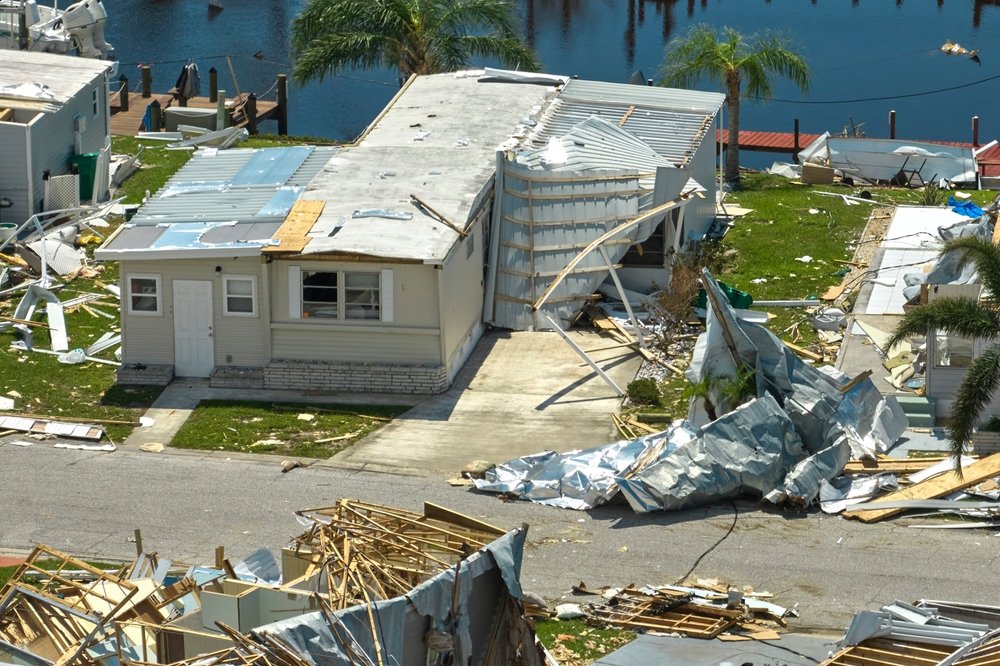
Hurricane Isaias made landfall on Alabama’s doorstep in October 2026, and the damage left behind is still showing up in roof leaks, soaked drywall, and insurance issues that homeowners did not expect. Wind gusts tore into shingles and siding from Mobile Bay inland, while storm surge and heavy rain pushed water into homes that have never flooded before. If you are now staring at an insurance claim form, or worse, a denial letter, you are not alone, and the process ahead is more predictable than it feels right now.
Our firm helps Alabama policyholders understand what their policy actually covers after a storm like Isaias and what to do when an insurer denies or lowballs a legitimate claim. This page walks through what happened, the types of damage reported across the state, and the practical steps involved in getting an insurance company to pay what a policy promises.
Click here to schedule a confidential consultation or call our office at 251-929-4092.
Overview of Hurricane Isaias Impact in Alabama
The National Hurricane Center reported that NWS Doppler Radar data indicate that Hurricane Isaias made landfall near Destin, Florida, around 830 PM CDT (0130 UTC) with maximum sustained winds of 105 mph (165 km/h). The storm had briefly strengthened to a major hurricane before weakening slightly as it approached the coast, and its outer bands reached well into Alabama within hours. Gulf Shores, Dauphin Island, and Mobile felt the brunt of the wind field even though the official landfall point sat across the state line in Florida.
Damaging Winds and Severe Weather Warnings Across the Gulf Coast
The hurricane center warned that dangerous hurricane-force winds were expected across the Florida Panhandle, southern Alabama, and southern Mississippi, spreading as far as 100 miles inland. A life-threatening storm surge was expected from Dauphin Island, Alabama, to Suwannee, Florida, where a storm surge warning remained in effect, and residents were urged to follow guidance from local officials. Rainfall totals compounded the threat, with forecasters calling for several inches of rain along the same stretch of coastline.
Power Outages and Statewide Disruption
Hundreds of thousands of Alabama customers lost power as the storm moved through, and utility crews worked for days to restore service in the hardest-hit counties. Downed trees and damaged power lines blocked roads well outside the immediate coastal zone, extending disruption into central Alabama. For many homeowners, the outage itself became a secondary loss once freezers, sump pumps, and HVAC systems went dark during cleanup.
Types of Damage Property Owners Report to Their Homeowners Insurance During Hurricane Season
Wind damage has been the most commonly reported issue, ranging from missing shingles to torn-off roof decking. Siding, fencing, carports, and detached structures took direct hits from sustained winds and the gusts that followed as the storm moved inland. Even homes that look fine from the street often have wind-driven damage to flashing, vents, or soffits that only shows up during a close inspection.
Water Damage from Rain Intrusion
Water damage frequently follows wind damage, since a compromised roof or window seal lets rain into the attic, walls, and ceilings long after the storm passes. This type of damage can spread quietly, leading to warped flooring, mold growth, and ruined insulation weeks after Isaias moved through. Homeowners insurance generally covers this kind of water damage when it results from a covered wind event, but insurers often argue about the source of the intrusion.
Flood Damage from Storm Surge and Rising Water
Flood damage is a separate category entirely, covering water that rises from the ground up, including storm surge pushed inland from Mobile Bay and the Gulf. Standard homeowners policies typically exclude this kind of flood damage, so coverage usually comes from a National Flood Insurance Program policy or a private flood policy. Homeowners who assumed their standard policy covered rising water are often surprised to learn that a separate flood claim, filed with a separate insurer, is required.
Click here to schedule a confidential consultation or call our office at 251-929-4092.
Filing a Hurricane Isaias Insurance Claim
Photograph and video every room, every roof slope, and every exterior wall before any repairs begin, since this record becomes the backbone of the claim. Reading the policy to determine what is covered and what is excluded matters too, since windstorm damage, debris removal, and additional living expenses may have different limits depending on the policy. Keep a written list of damaged personal property, including approximate age and value, before anything gets thrown away.
Reporting Separate Wind and Flood Insurance Claims
A homeowners or windstorm policy and a flood policy are handled by different insurers and often different adjusters, so each loss needs to be reported separately. Trying to fold flood damage into a wind claim, or the reverse, tends to slow everything down and invites disputes over which policy applies. Keeping the two claims organized from the start makes it easier to track what has been paid and what remains outstanding.
Meeting Alabama's Notice and Proof of Loss Deadlines
Most Alabama homeowners policies require prompt notice of a loss and a proof of loss submitted within a set number of days, and some policies shorten the window for filing a lawsuit if a dispute arises later. Missing these deadlines can give an insurer grounds to deny an otherwise valid claim, regardless of how much damage actually occurred. Reviewing the policy’s notice provisions early, rather than after a denial arrives, protects the claim from a technical rejection.
Common Reasons Claims Get Denied or Lowballed
Insurers frequently argue that damage came from flood water rather than wind, since flood losses may fall outside a standard homeowners policy. This argument shows up often in coastal Alabama claims after a storm like Isaias, where wind and surge arrive close together. An insurer’s own adjuster deciding the cause of loss, without an independent inspection, is one of the more common reasons claims get denied.
01 Pre-Existing Damage and Maintenance Exclusions
Insurance companies sometimes attribute roof or structural damage to age, wear, or lack of maintenance instead of the storm itself. This tactic can reduce or eliminate a payout even when the timing of the hurricane damage lines up directly with the hurricane. Detailed documentation and, where needed, an independent assessment can push back against this kind of blanket denial.
02 Lowball Estimates from Insurance Adjusters
Even approved claims sometimes come back with an estimate that falls well short of actual repair costs, particularly during a widespread catastrophe when adjusters are handling large volumes of claims quickly. A lowball estimate might undercount labor, materials, or the full scope of hidden water damage inside walls and attics. Getting a second, independent estimate often reveals the gap between what the insurer offered and what repairs actually require.

How Our Firm Helps Policyholders
We start by reading the actual policy language alongside any denial or lowball letter the insurer sent, since coverage disputes almost always come down to specific wording. This review identifies whether the insurer’s stated reason for denial matches what the policy actually says. From there, we map out what evidence and documentation will matter most to challenge the decision.
Handling Communication with the Insurance Company
Once we are involved, our firm takes over communication with the insurance company so you are not managing adjuster calls and paperwork while also handling repairs and displacement. We respond to requests for documentation, push back on unreasonable deadlines, and keep the claim moving forward. This frees up time and reduces the stress of dealing directly with an insurer that may already be resisting the claim.
Guiding the Claim from Start to Finish
Our firm helps from the first notice of loss through appeal, negotiation, or litigation if an insurer continues to deny or underpay a valid claim. We do not promise a particular outcome, since every policy and every claim carries its own facts. What we offer is steady guidance through a process that insurance companies control far more easily than most policyholders realize on their own.
Homeowners Insurance Policy FAQs
Here are a few questions that come up after Hurricane Isaias that are not already covered above.
Does Renters Insurance Cover Hurricane Isaias Damage?
Renters insurance generally covers a tenant’s personal belongings damaged by a covered peril, such as wind-driven rain entering through a broken window. Many renters policies also pay additional living expenses if the unit becomes unlivable. A renters policy typically does not cover the building itself, since that falls under the property owner’s policy. Flood damage to belongings is usually excluded unless you bought separate flood coverage.
Can I Still File a Claim if I Already Made Emergency Repairs?
Yes. Most policies expect you to take reasonable steps to prevent further damage, such as tarping a roof or boarding a window, and the reasonable cost of those steps is often reimbursable. Take photos before and during the work and keep every receipt. Wait for the adjuster’s inspection before doing permanent repairs, since tearing out damage the insurer hasn’t seen can give it grounds to dispute the claim.
Will Filing a Hurricane Damage Claim Raise My Insurance Premiums?
It depends on the insurer, the policy, and the rate filings approved for the state, so no single answer fits everyone. Insurers handle claim history differently, and some weigh weather-related claims differently from other losses. Ask your insurer in writing whether the claim will affect your renewal, and read your renewal notices carefully. Don’t let worry about premiums keep you from reporting a covered loss, because policy deadlines keep running either way.
Why Is My Hurricane Deductible So Much Higher than My Regular Deductible?
Many Gulf Coast policies use a separate hurricane or named-storm deductible, usually a percentage of your home’s insured value rather than a flat dollar amount. On a $300,000 home, a 2 percent deductible means the first $6,000 of the loss comes out of your pocket. The policy defines when this deductible applies, often by tying it to National Hurricane Center classifications or warnings.
Isaias lost hurricane strength soon after it crossed into Alabama, so it’s fair to ask which deductible your insurer applied and why. Check the policy’s definitions against what the adjuster did, and have a lawyer review any deductible that seems misapplied.
Talk to Prestwood Law Firm About Your Hurricane Isaias Claim
If an insurance company has denied your Hurricane Isaias claim or offered far less than the damage actually costs to repair, reach out to discuss what options are available. Our firm reviews policies, denial letters, and lowball estimates for Alabama homeowners and guides the claim process from the first report through resolution. Contact Prestwood Law to talk through your situation and find out what steps make sense for your claim.