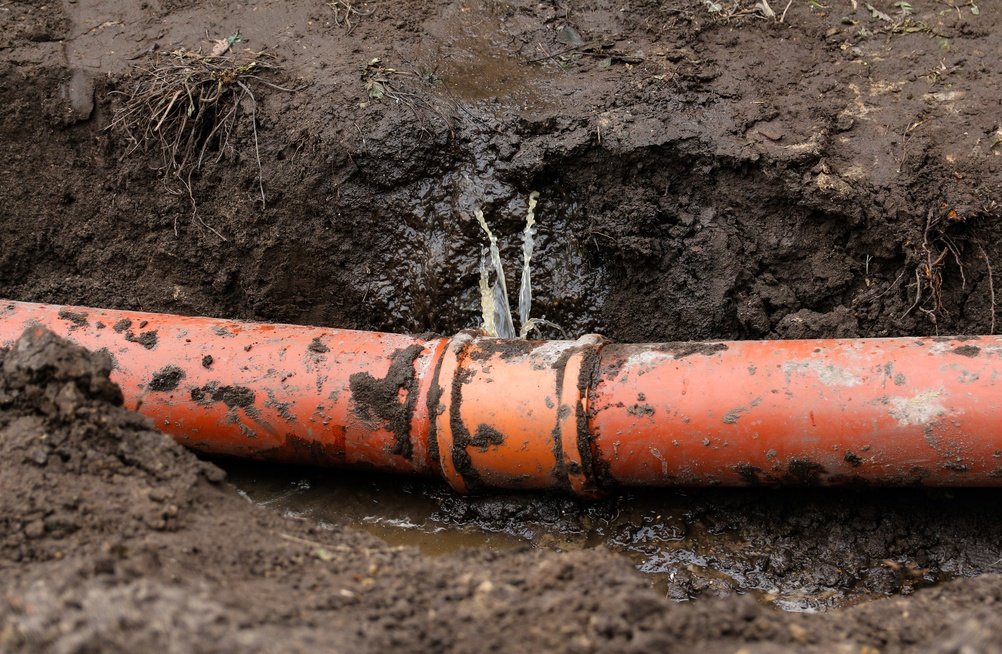
Water damage is one of the most common causes of property loss and one of the most frequently disputed. A burst pipe, a failed appliance, a leaking roof, or a storm can soak a building in minutes, leaving behind warped floors, ruined drywall, damaged belongings, and the looming threat of mold. Filing the insurance claim that follows can bring as much emotional and financial stress as the damage itself, because insurers routinely dispute the cause of loss, point to exclusions, undervalue the damage, or deny claims outright.
At Prestwood Law Firm, we help property owners in Alabama, Mississippi, and Florida recover the full compensation they’re owed after water damage. With decades of experience in property insurance law and a deep understanding of the tactics insurers use on water claims, we guide our clients through the process, fight for fair settlements, and make sure no part of the loss, including hidden and long-term damage, is overlooked.
How Bad Faith Insurance Practices Affect Water Damage Insurance Claims
A water damage claim is rarely as simple as filing paperwork and waiting for a check. Insurers examine these claims closely, often searching for a reason to limit or deny payment. Common challenges in water claims include:
- Determining whether the cause of loss is covered or excluded
- Separating covered water damage from excluded flood damage
- Identifying hidden property damage behind walls, under floors, and inside ceilings
- Mold growth and the limits policies place on remediation
- Allegations of gradual damage, wear and tear, or poor maintenance
- Interpreting complex policy language, exclusions, and endorsements
- Delays caused by insurance companies and drawn-out investigations
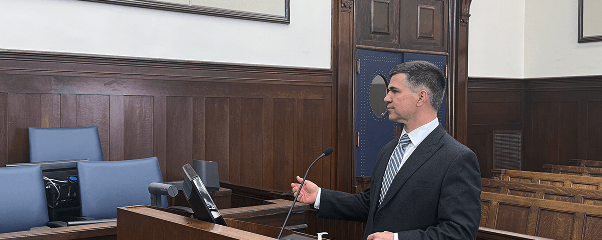
Having an attorney with insider knowledge of the insurance industry can make a decisive difference. Smith Prestwood, founder of Prestwood Law Firm, spent years representing insurance companies before switching sides to advocate for policyholders. He knows how insurers evaluate water claims, what their insurance adjusters and internal valuation tools look for, and how to counter lowball offers effectively.
Why Water Damage Claims Require Specific Experience in Insurance Bad Faith Tactics
Water claims are deceptively technical. The property damage you can see is often only part of the story, and the cause is frequently contested. These claims can involve:
- Forensic determination of the source and timing of the water intrusion
- Detection of hidden moisture and structural damage
- Mold assessment and remediation
- Building code compliance for repairs
- Distinguishing storm, flood, and plumbing-related causes
- Coordination with plumbers, engineers, contractors, and forensic experts
Prestwood Law Firm takes a hyper-specialized approach. Our attorneys focus exclusively on property insurance claims, giving us unmatched command of technical insurance policy language and “bad faith” litigation. We maintain a curated network of engineers, forensic estimators, and contractors to build the evidence needed to prove the true source, scope, and cost of water-related losses and maximize recovery.
Common Issues with Water Damage Claims in Alabama
Insurers use a familiar set of tactics to reduce what they pay on water claims:
Cause-of-Loss Disputes
Coverage depends on what caused the water damage. Insurers often attribute losses to excluded causes — flooding, gradual leakage, or wear and tear — to avoid paying on an otherwise valid claim.
Flood Exclusions
Standard policies exclude flood damage. After a storm, insurers may label a loss as “flood” to push it outside your coverage, even when another covered cause contributed to the damage.
Mold Limitations
Policies frequently cap or restrict mold remediation, and insurers may deny mold costs by tying them to an allegedly uncovered water loss.
Gradual Damage Allegations
Insurers may claim the damage developed slowly over time, triggering wear-and-tear or long-term seepage exclusions even when the loss was sudden or could not reasonably have been discovered sooner.
Delayed Payments
Extended investigations and repeated requests for documentation can stall payment while the damage and any mold continue to spread.
Lowball Settlements
Initial offers often overlook hidden property damage, code-required repairs, and the full cost of proper drying and remediation.
Our attorneys know these tactics and work proactively to protect our clients. By combining legal experience, technical support, and knowledge of insurer “playbooks,” we make sure no detail is missed, and no claim is undervalued.
How Prestwood Law Firm Approaches Water Damage Claims in Alabama
01 Comprehensive Case Review
We start by reviewing your insurance policy, the claim, and the damages, looking for any gaps, exclusions, or language that could impact your recovery.
02 Documentation and Evidence Gathering
Using our network of engineers, forensic specialists, and contractors, we document the full scope of property damage, including hidden moisture and structural issues, and establish the source and timing of the loss.
03 Negotiation with Insurance Companies
Armed with expert analysis and precise documentation, we negotiate with your insurer to secure fair compensation.
04 Bad Faith Litigation (if necessary)
If the insurer acts in bad faith, delaying, denying, or undervaluing your claim, we are prepared to pursue legal action to protect your rights.
By combining legal strategy, technical evidence, and years of industry knowledge, we maximize recovery on water damage claims.
Types of Water Damage We Handle
Claims we handle include, but are not limited to:
- Burst and Leaking Pipes: Plumbing failures, frozen pipes, and pipe ruptures.
- Appliance and Water Heater Failures: Overflows and leaks from washing machines, dishwashers, and water heaters.
- Roof and Storm-Related Leaks: Water intrusion from damaged roofs, wind-driven rain, and severe weather.
- Sewer and Drain Backups: Property damage from backed-up sewers and overflowing drains.
- Hurricane and Storm-Related Water Damage: Losses tied to tropical storms and hurricanes, including insurance disputes over wind-driven rain versus flooding.
- Hidden and Long-Term Leaks: Slow leaks that cause structural damage and mold before they’re discovered.
No matter the source of the water or the type of property affected, our team has the knowledge, technical resources, and legal experience to handle every aspect of your claim.
Why Clients Choose Prestwood Law Firm When a Natural Disaster Strikes
Smith Prestwood’s experience representing insurance companies gives our firm a unique perspective and insider knowledge of how insurers handle water claims. We focus exclusively on property insurance law, including water damage and related “bad faith” claims. Our network of engineers, forensic estimators, and contractors provides the scientific proof needed to support your claim — including evidence of the true cause and timing of the loss.
You pay nothing unless we recover additional funds beyond the insurer’s initial offer. We are licensed in Alabama, Mississippi, and Florida, and we are trusted experts in regional hurricane- and storm-related water claims. We are deeply rooted in the Gulf Coast, and our experienced attorneys are dedicated to helping local policyholders get the justice they deserve.
What to Do After Suffering Water Damage
Water damage can escalate quickly, so acting fast protects both your property and your claim. After ensuring everyone’s safety:
Stop the Source
If you can do so safely, shut off the water or address the source to prevent further property damage.
Document the Damage
Photograph and video all affected areas and personal belongings before cleanup or drying begins.
Mitigate Further Damage
Begin drying the area to limit damage and prevent mold, as most policies require reasonable steps to minimize the loss.
Notify Your Insurer
File your claim promptly, but avoid giving recorded statements or estimates without legal guidance.
Keep Receipts
Save detailed records of costly repairs, drying services, lodging, and replacements, as these may be reimbursable.
Contact an Attorney
An experienced water damage lawyer can review your claim, establish the cause of loss, gather technical evidence, and negotiate with your insurer.
Prestwood Law Firm guides clients through every step of this process, protecting their rights and ensuring no claim is undervalued.
Water Damage FAQ
Does My Insurance Policy Cover Water Damage?
It depends on the cause. Most homeowners and commercial policies cover water damage that is “sudden and accidental,” such as a burst pipe, a failed water heater, or an overflowing appliance. They typically do not cover property damage that develops gradually, results from a lack of maintenance, or comes from flooding.
Because coverage turns on the cause of loss, the way an insurer characterizes what happened often determines whether you’re paid, which is exactly where these claims tend to be won or lost.
What's the Difference Between Water Damage and Flood Damage?
This distinction catches many property owners off guard. “Water damage” generally refers to water that originates inside your property or from above, like a burst pipe, a roof leak, or an appliance failure, and is usually covered by a standard policy. “Flood” refers to rising surface water from outside, such as storm surge, overflowing rivers, or heavy regional rainfall, and is almost always excluded unless you carry separate flood coverage through the NFIP or a private flood policy.
After a storm, insurers frequently classify a loss as “flood” to move it outside your standard coverage, and challenging that label is often central to recovering on the claim.
Will Mold Keep My Property Damage Claim from Being Paid?
Not necessarily, but it’s a common point of insurance dispute. Many policies cover mold when it results directly from a covered water loss, though they often cap the amount available for remediation.
Insurers may try to deny mold-related costs by arguing the underlying water damage wasn’t covered or that you failed to dry the property promptly. Acting quickly to stop the water source and document the property damage helps preserve both your property and your claim.
What if the Insurer Says the Damage Happened Gradually?
“Gradual damage,” “wear and tear,” and “long-term seepage” are among the most common reasons insurers cite to deny water claims, because most policies exclude losses that develop slowly over time. The problem is that insurers sometimes apply these exclusions to property damage that was actually sudden, or that a property owner had no reasonable way to discover. We work with engineers and forensic specialists to establish when and how the damage occurred, which is often the key to overcoming a gradual-damage claim denial.
How Much Does Hiring an Experienced Attorney Cost?
We work on a contingency basis, so you pay nothing unless we recover additional funds beyond the insurer’s initial offer. Your initial claim review is free and comes with no obligation. There’s no upfront cost to having us evaluate whether your water damage claim has been handled fairly.

Contact Prestwood Law Firm for a Free Consultation on Your Flood Damage Claim
If your property has suffered water damage, don’t leave your claim to chance. Prestwood Law Firm helps policyholders navigate the claims process, establish the true cause and scope of the loss, and hold insurance companies accountable.
Contact us today for a free case evaluation of your property damage claim. You focus on recovery, and we’ll focus on making sure the insurance company pays what you deserve.